Japanese Names Timeless Meaning, Hidden Beauty, And Modern Grace
Naming a child is more than an act of identification; it’s a reflection of love, hope, and identity. In Japanese culture, names are woven with poetry and purpose, carrying meanings that connect to nature, virtues, and the essence of life itself.
Each stroke of kanji holds significance, each sound carries emotion, and each name tells a story. Whether you’re searching for something traditional, modern, or spiritual, Japanese names offer a treasure of inspiration that feels personal and eternal.
How to Choose the Perfect Japanese Name
Finding the perfect Japanese name means finding a harmony between sound, meaning, and symbolism. Unlike many Western names, Japanese names can completely change in meaning depending on the kanji chosen even if the pronunciation stays the same
Here’s how you can approach the process thoughtfully:
The right name should feel like a melody one that lingers in your heart long after it’s spoken.
Why Japanese Names Are Deeply Meaningful
In Japan, a name is not just a label it’s a wish. Parents often choose names inspired by natural beauty or personal virtues. Words like “Sora” (sky), “Ren” (lotus), or “Yui” (connection) are filled with calm strength and gentle symbolism.
What makes Japanese names so special is how they blend art and philosophy. The kanji themselves can be seen as brushstrokes of meaning representing purity, resilience, or serenity. This depth turns every Japanese name into a piece of living art.
Traditional Naming by Birth Order
Centuries ago, families often named their children according to birth order — a way to honor lineage and family unity.
Names like Ichiro (first son), Jiro (second son), and Saburo (third son) carried clear family significance. Over time, these patterns evolved into names that still honor the past but feel modern and warm.
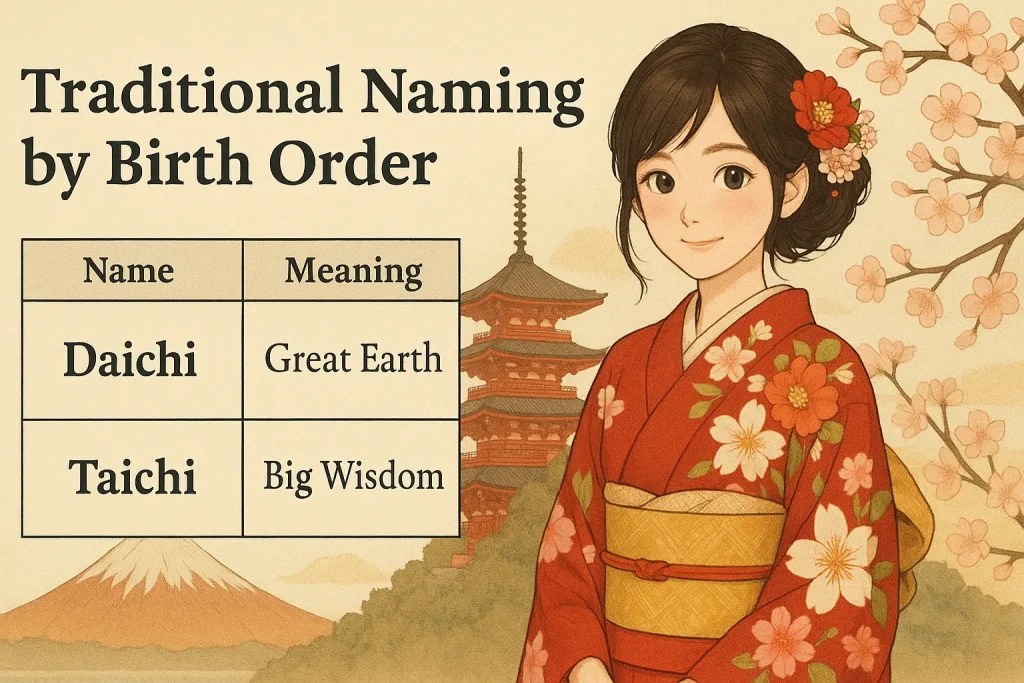
Here are some examples that combine tradition with personal meaning:
Even in modern Japan, some parents still cherish this symbolic connection between name and birth order a nod to tradition wrapped in individuality.
Unique Japanese Names That Stand Out
Today’s parents often seek names that blend tradition with individuality. Unique Japanese names are poetic and sometimes rare, carrying deep spiritual or natural significance.
Here are a few gems that stand out for their beauty and originality:
Each name holds both simplicity and soul, the perfect blend of artistry and meaning.
First Names That Capture Japanese Spirit
Japanese first names are crafted like short poems filled with emotion, beauty, and intention. Parents often choose names that capture virtues such as wisdom, purity, or joy, and many of these meanings shine beautifully when paired with Japanese Girl Names, creating combinations that feel gentle, graceful, and timeless.
For Boys:
For Girls:
Every name feels like a story short, delicate, and endlessly meaningful.
Middle Names with Modern Elegance
While traditional Japanese culture rarely uses middle names, global families and modern parents now embrace them to add depth and distinction.
Middle names allow a balance between heritage and creativity, helping the full name feel harmonious.
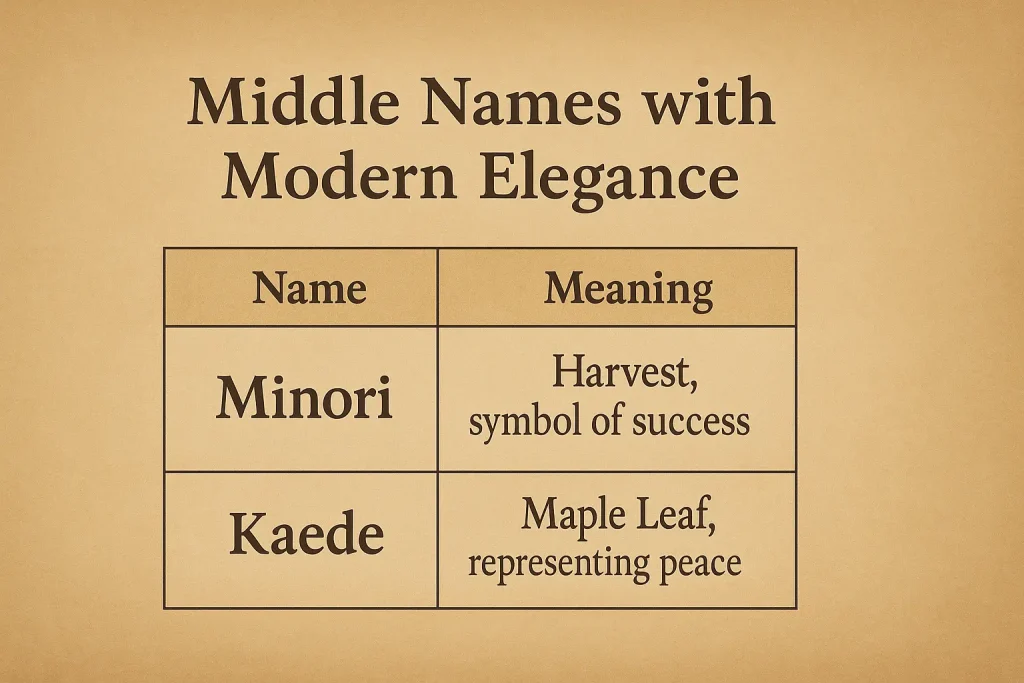
Examples of Lovely Japanese Middle Names:
A well-chosen middle name completes the rhythm of the full name turning it into a quiet symphony of sound and symbolism.
Gender Neutral Japanese Names Grace Beyond Boundaries
Japanese names often transcend gender. Many names symbolize ideas not just identities making them perfect for any child.
Here are some versatile choices loved for their universal beauty:
| Name | Meaning |
|---|---|
| Aki | Autumn or Brightness |
| Sora | Sky |
| Riku | Land |
| Kai | Ocean, Forgiveness |
| Mizu | Pure Water |
| Minato | Harbor |
| Ren | Lotus |
| Haruka | Distant Spring |
| Tomo | Wise Friend |
| Aoi | Indigo Blue |
These names radiate a calm balance simple, meaningful, and timelessly modern.
Modern Trends in Japanese Baby Names
Japanese baby names are now embracing a new era, a mix of heritage, simplicity, and global influence. Parents often choose names inspired by nature, purity, or celestial beauty.
Anime, literature, and music have also influenced baby naming trends, making once-rare names more recognized worldwide.
Current Favorites:Current Favorites:
These names reflect a new Japan connected to the past, yet open to the world.
Japanese Nicknames Love in Every Syllable
Nicknames in Japan aren’t just abbreviations — they’re a reflection of affection and closeness. They’re often soft, friendly, and carry emotional warmth.
Common examples include:
| Name | Extended Name | Meaning |
|---|---|---|
| Riku | Rikuto | Grounded and strong |
| Hina | Hinano | Sweet and sunny |
| Momo | Momoka | Gentle as a blossom |
| Yuu | Yuuto | Brave and loyal |
| Haru | Haruki | Bright as spring |
Nicknames show a gentle side of language one filled with comfort and connection.
Last Names with Heritage and Meaning
Japanese last names are deeply rooted in geography and history. Most reflect nature, landscapes, or family origins — making them poetic and powerful.
Examples:
| Surname | Meaning |
|---|---|
| Shimizu | Pure Water |
| Takamura | High Village |
| Kurosawa | Black River |
| Yamashita | Base of the Mountain |
| Matsuda | Pine Field |
| Takeuchi | Bamboo Pond |
Each surname preserves a connection to ancestry — a quiet reminder of where one comes from.
Rare And Beautiful Japanese Surnames
For those who seek something truly distinctive, rare Japanese surnames offer both mystery and elegance.
Examples:
| Name | Meaning |
|---|---|
| Tange (丹下) | Field of Red Clay |
| Sekine (関根) | Root of the Gate |
| Kusaba (草場) | Grassy Meadow |
| Shinkawa (新川) | New River |
| Fujimoto (藤本) | Wisteria Base |
These names tell tales of forgotten villages, family heritage, and the natural world giving each one a soul of its own.
For Non-Japanese Parents
If you’re drawn to the beauty of Japanese names, it’s perfectly fine to choose one — but it’s important to do it with love and respect.
Here’s how to do it meaningfully:
When done thoughtfully, choosing a Japanese name can become a bridge between cultures one that celebrates beauty and understanding.
Conclusion
Japanese names are more than combinations of sound; they are expressions of art, emotion, and philosophy.
From unique and nature-inspired names to timeless last names and gentle nicknames, each name carries centuries of beauty.
Choosing one means embracing a story of hope, harmony, and meaning a name that feels alive, personal, and everlasting