How Many Grams In A Pound: Complete Guide To Accurate Measurement
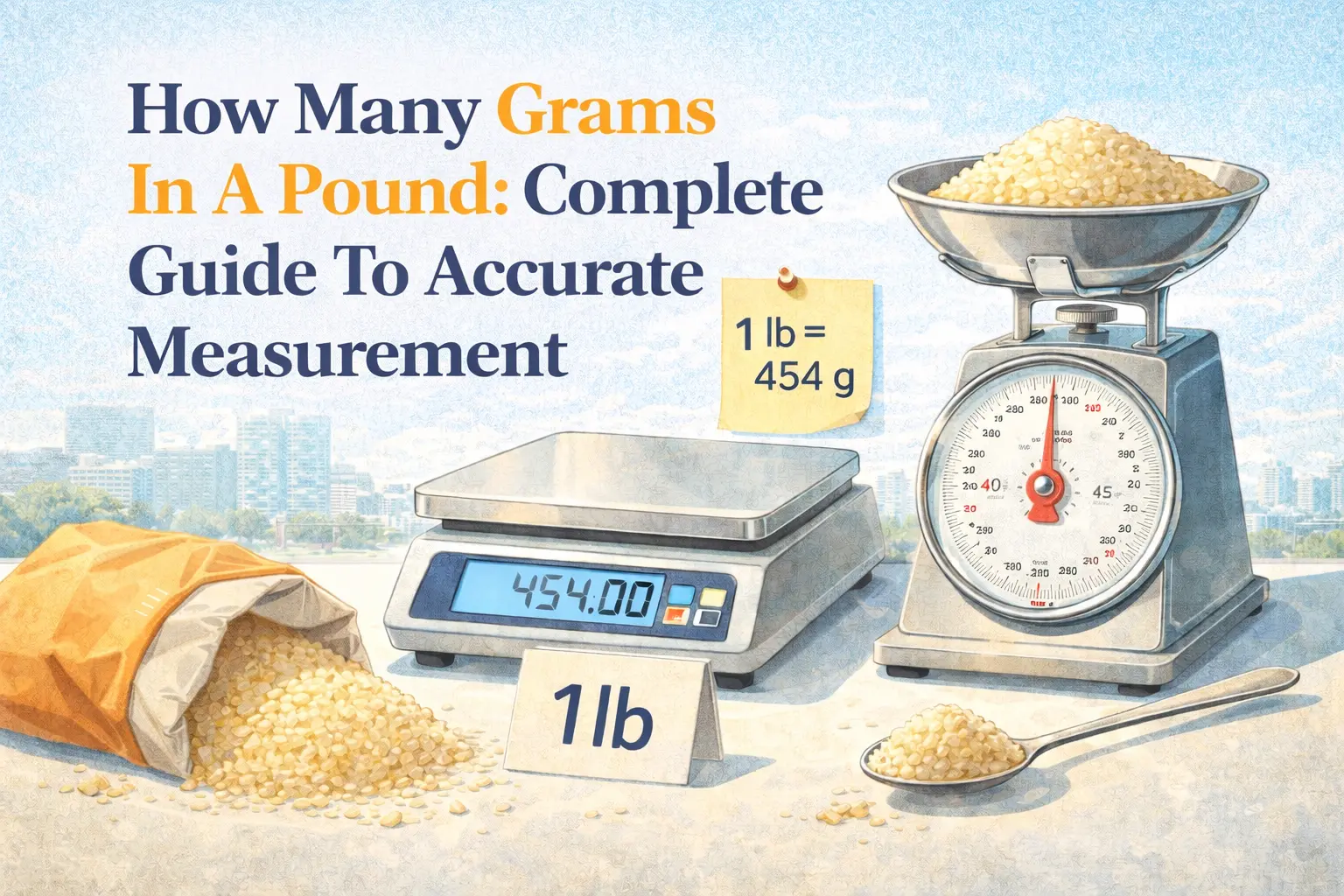
When working with grams and pounds, I often start from real-life kitchen and packaging needs, because understanding how many grams are in a pound becomes easier when you see how 1 pound (lb) connects to 453.59237 grams (g) in everyday measurement.
This value is based on the avoirdupois pound, which is the unit of mass/weight commonly used in the US customary and imperial systems of measurement, as referenced on this page and many professional guides I’ve worked with.
At the same time, a gram is also a unit of mass in the metric system, which is directly linked to the kilogram (kg), the base unit of mass in the International System of Units (SI). Therefore, these related units are essential to understand together for accurate conversions.
Understanding the Meaning Behind a Name
A pound-to-gram converter is something I personally rely on when I need fast and accurate answers, because the following converter converts from grams to pounds or pounds to grams without any confusion, and it works smoothly in daily use.
Pound to Gram Converter
Convert pounds into grams instantly
From my experience, you simply enter a value in either grams or pounds, and the tool instantly helps you convert between the two, saving time and avoiding manual mistakes when switching measurements for cooking, shipping, or study-related tasks, especially when clarity and speed really matter.
How many pounds are in one gram
| Grams (g) | Pounds (lb) |
|---|---|
| 1 g | 0.00220462 lb |
| 10 g | 0.0220462 lb |
| 50 g | 0.110231 lb |
| 100 g | 0.220462 lb |
| 500 g | 1.10231 lb |
How many grams in a pound
| Pounds (lb) | Grams (g) |
|---|---|
| 1 lb | 453.59237 g |
| 10 lb | 4,535.9237 g |
| 50 lb | 22,679.6185 g |
| 100 lb | 45,359.237 g |
| 500 lb | 226,796.185 g |
How to convert pounds to grams
To convert pounds to grams, multiply the number of pounds by 453.592.
Formula:
grams = pounds × 453.592
Example: 1 lb × 453.592 = 453.592 g.
What is a Gram?
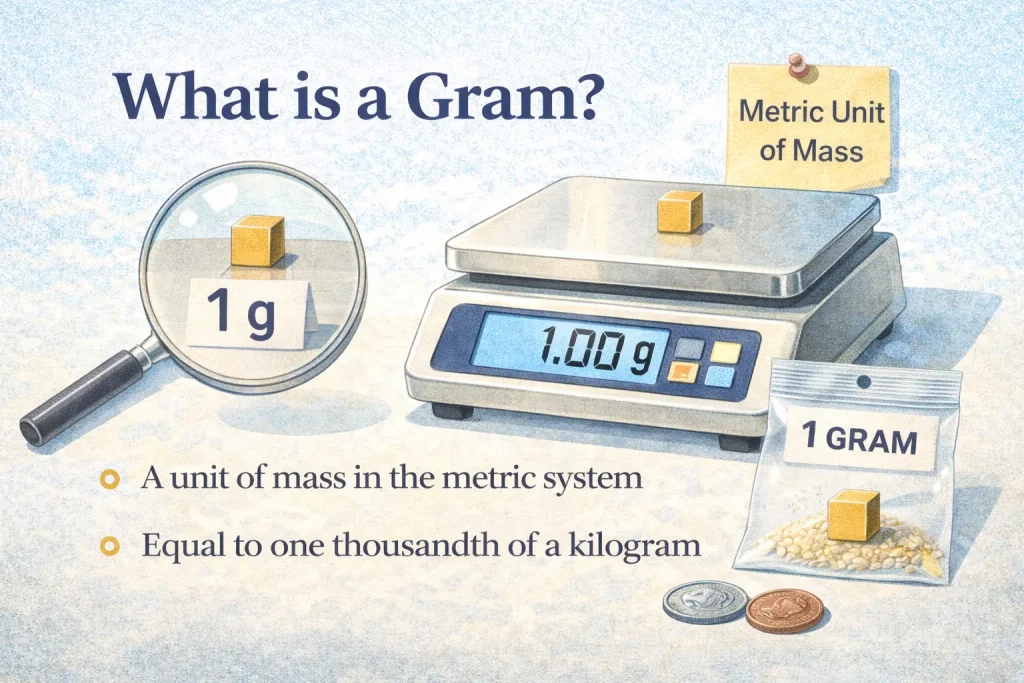
A gram (g) is a metric unit of weight used to measure how heavy something is. It is small, with 1 kilogram equal to 1000 grams, and is commonly used for food and everyday items.
Types of Gram
The gram is a basic unit of mass in the metric system, but it is used in different forms depending on the purpose.
Below are the main types of gram measurements commonly used today.
Gram (Standard Gram)
The standard gram is the base metric unit used worldwide.
It is commonly used to measure food items, small objects, and ingredients in daily life.
Kilogram (Derived from Gram)
A kilogram is a larger unit based on the gram.
It equals 1,000 grams and is used for measuring body weight, luggage, and heavier goods.
Milligram (Small-Scale Gram)
A milligram is a very small unit of mass.
It equals 0.001 grams and is mainly used in medicine, science, and supplements.
Microgram (Ultra-Small Measurement)
A microgram is used when extremely precise measurement is needed.
It equals 0.000001 grams and is common in pharmaceuticals and laboratory work.
Metric Ton (Large-Scale Gram Unit)
A metric ton is a large unit derived from grams.
It equals 1,000,000 grams and is used in industry and bulk trade.
What is a Pound?
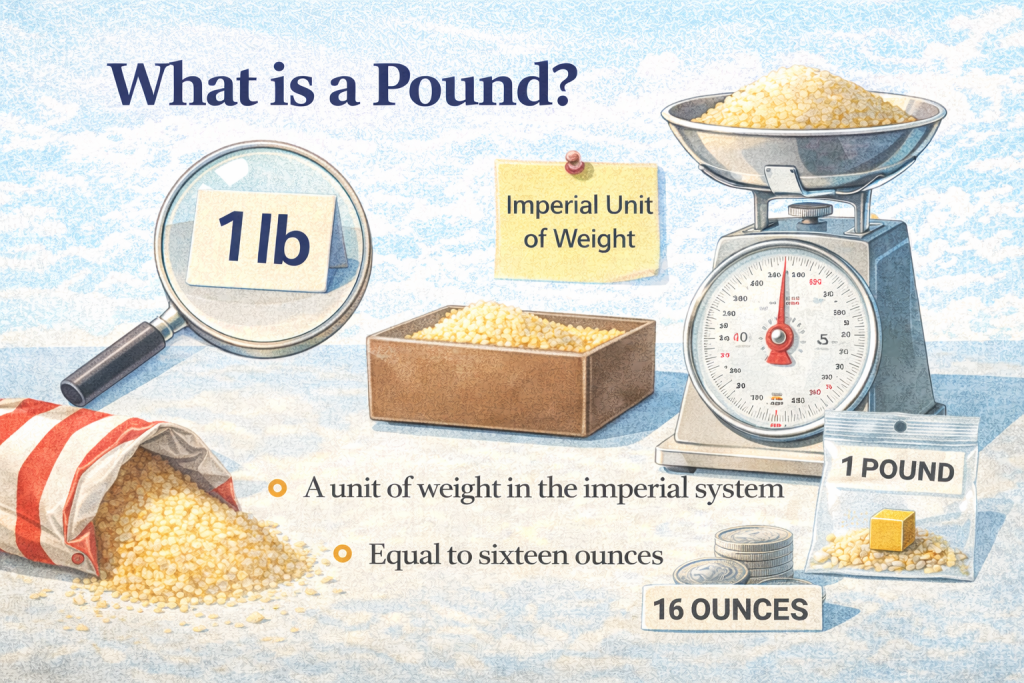
A pound (lb) is a unit of weight used mainly in the US and UK. It is heavier than a gram, with 1 pound equal to 453.592 grams.
Types of Pound
Although the word pound is commonly used, it does not always mean the same thing.
Today, two main types are still relevant: the International Avoirdupois Pound and the Troy Pound, each designed for specific uses.
Avoirdupois Pound (International Standard)
The International Avoirdupois Pound is the globally accepted standard for measuring everyday weight.
It is defined as exactly 453.59237 grams and is used for food, body weight, and commercial goods in countries like the United States and the United Kingdom.
Troy Pound (Precious Metals)
The Troy Pound is a specialized unit of mass historically used in the United Kingdom.
It equals 12 troy ounces or 373.2417216 grams and is mainly used by jewellers and traders to measure precious metals such as gold, silver, platinum, and gemstones.
Key Difference to Know
The Avoirdupois Pound is heavier than the Troy Pound, even though the troy ounce itself is heavier.
This difference exists because the two systems use a different number of ounces per pound.
Pound and Gram: History and Usage
The pound originated in ancient Rome as a unit of measurement called a libra, and it is still used today in the US and UK for everyday weights.
The gram was introduced in France in 1795 as part of the metric system to provide a simple, universal way to measure weight.
Pounds are used for heavier items like people or packages, while grams are used for smaller objects, food, and scientific measurements.
Conclusion
Understanding how many grams are in a pound makes everyday measurements much easier, whether you’re cooking, shipping packages, or studying conversions.
Since 1 pound equals exactly 453.59237 grams, you can move confidently between metric and imperial systems without guesswork.
Knowing when to use grams for precision and pounds for larger weights helps avoid mistakes and keeps measurements accurate in real-life situations.