The Business Benefits Of Managed Security Services
Managed security services are transforming how organizations approach their safety, moving away from reactive solutions towards proactive, scalable protection. Businesses now face complex threat landscapes that require specialized expertise and real-time monitoring. Understanding the operational and strategic advantages of these services can help you stay ahead in ensuring both resilience and compliance.
In recent years, more organizations are reconsidering traditional, one-off purchases for security hardware and software, opting instead for managed security services that provide continuous support from providers such as Securitas Technology UK. This shift is especially relevant as managing security internally can present challenges in resourcing, expertise, and long-term performance. For businesses operating across multiple locations or dealing with regulatory obligations, managed models offer consistency and adaptability that can be difficult to achieve with piecemeal solutions.
Understanding how managed security services operate
Managed security services refer to the outsourcing of day-to-day network and physical security tasks to a dedicated provider. Typically, these services involve 24/7 monitoring, maintenance of security systems, and implementation of immediate responses to emerging incidents.
Providers oversee the technology infrastructure using specialised tools and trained personnel, allowing you to leverage industry expertise without maintaining a large in-house security team. Communication often includes regular updates and briefings, ensuring you remain informed while the operational burden is significantly reduced.
Core components that underpin managed models
The foundation of managed security services rests on real-time monitoring, which detects threats and vulnerabilities as soon as they arise. Combined with proactive maintenance, this approach helps prevent system failures and minimises exposure to evolving risks.
Other core elements include automated software updates and structured incident response workflows, designed to ensure that responses remain swift and consistent. Many providers supply regular reporting and comprehensive audits, allowing you to track key metrics and compliance status with greater reliability.
Business advantages gained through these services
By adopting managed security services, you gain more consistent coverage and faster response to security incidents than in-house resources can often provide. The centralised monitoring and response capabilities help contain threats before they escalate, improving overall safety for your sites and systems.
Another benefit is predictable budgeting, as ongoing service models can eliminate unexpected expenses related to hardware failures or emergency call-outs. Additionally, these services ease the internal workload, freeing staff to concentrate on core business activities without getting diverted by specialised technical issues.
Proactive maintenance further supports uptime, with continuous attention paid to repairing faults before disruption occurs. As organisations scale operations or add new sites, managed security services are designed to flexibly adapt capacity and coverage in step with changing needs.
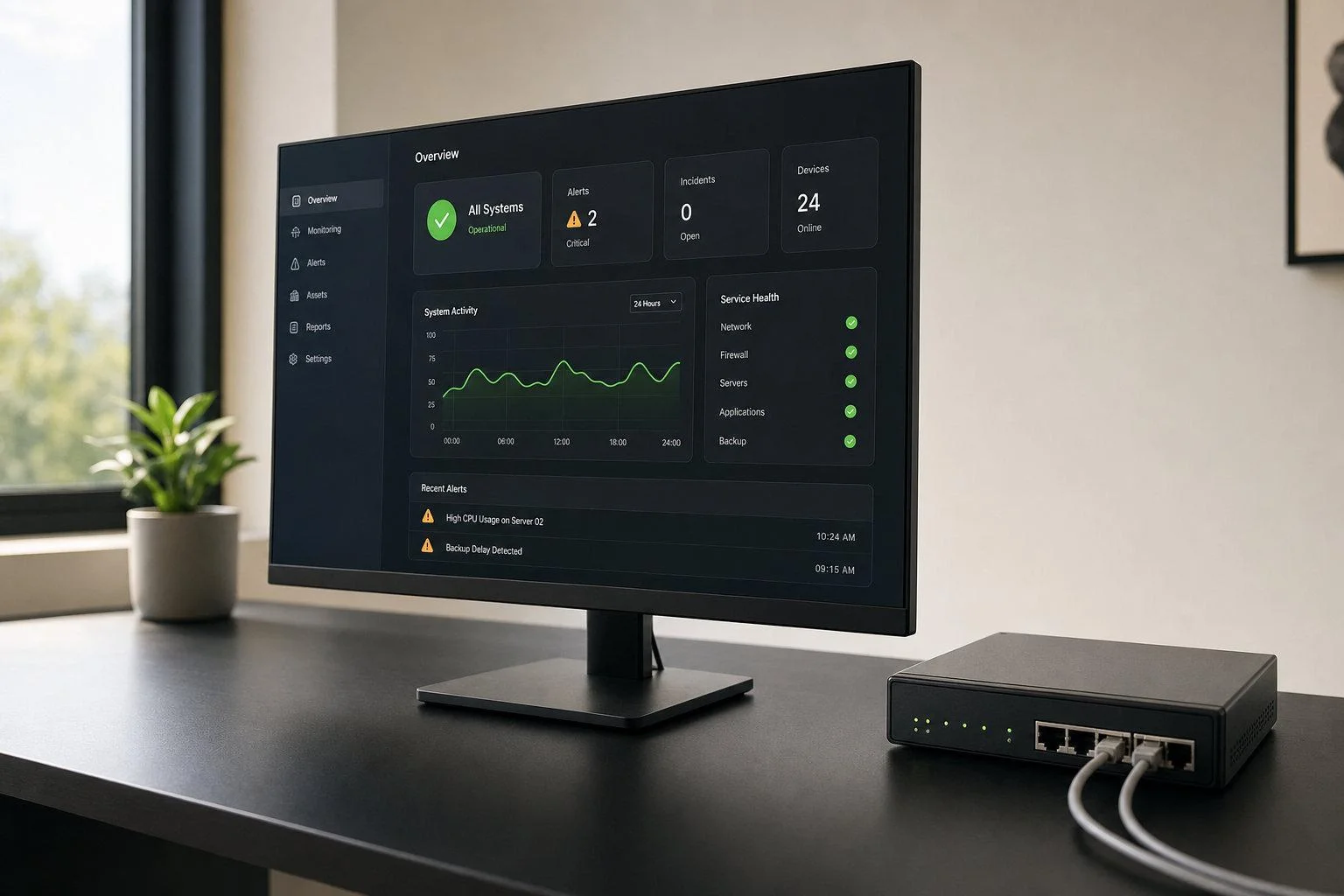
You also gain enhanced visibility through centralised dashboards, defining KPIs, and regular, transparent reporting, enabling better-informed decisions about your security posture. For specific details on how providers approach these solutions, you can review overviews available from Securitas Technology UK as part of considering options for robust protection strategies.
Procurement, suitability, and potential challenges explained
Managed security services are particularly valuable for multi-site businesses, facilities with high footfall, and organisations that lack dedicated security personnel. Some regulated industries can also benefit, as regular audits and process documentation may support compliance and governance requirements.
When procuring these services, you should assess service level agreements, data handling provisions, and how new systems integrate with existing infrastructure. Clearly defined escalation paths and governance processes are essential for ensuring responsibilities remain transparent, especially when managing incidents or adapting to new risks.
Some businesses express concerns over reliance on vendors or unclear boundaries in incident response. Setting precise responsibilities and workflow documentation helps reduce confusion and ensures your teams know when to act. Addressing potential alert fatigue through filtering and escalation procedures can improve the effectiveness of monitoring and keep teams focused on genuine threats.
To learn more about the wider implications and standards in managed security, reviewing recognised industry context and public standards can further inform your decision-making.
Managed security services provide a structure that facilitates operational resilience, measurability, and adaptability for modern security programmes. By leveraging external expertise, regular reporting, and tailored response frameworks, organisations can maintain robust security while adapting to evolving threats and resource constraints.